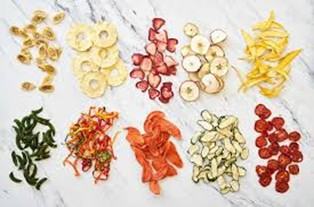
You may be familiar with banana chips, fruit leathers, or dried mushrooms. You probably have some spices and herbs like oregano, thyme, or bay leaves in your pantry too. All of these are examples of dehydrated foods! Dehydrating food allows for an extended shelf life and preserved flavor for many pantry staples. It can also open new possibilities to have fun in the kitchen and test new ideas!
Benefits of Dehydrating Food
Dehydrating extends the shelf life of food tremendously. Food often spoils due to moisture, creating a breeding ground for bacteria and mold. When moisture is removed from a food, the likelihood of unsafe bacteria or mold developing is decreased. Food can also retain its color and flavor for an extended period when dehydrated. Another benefit is their lightweight and compact nature. They can easily be taken camping, backpacking, or simply on the road to provide high-quality nutrition on the go!
Food Safety when Dehydrating Foods
When prepping and drying:
Wash hands thoroughly before handling food
Clean and prepare the food appropriately
This may involve blanching, peeling, slicing, or removing seeds
Determine the correct temperature at which to dry your food
Herbs, spices, and mushrooms: 86-104°F
Fruits, vegetables and starchy foods: 125°F
Cooked meat and fish: 155°F
Pathogenic bacteria and fungi need moisture to feed and reproduce
The amount of available water or water activity (aw) is measured from 0-1.0.
Each food has a different water activity
Water has an aw of 1.0
Ensure drying temperature is consistent throughout the drying process to prevent bacterial growth
Dry foods until the moisture level is low and the food is brittle
When storing:
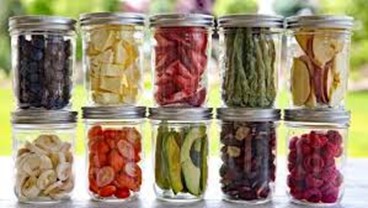
Store in a dry and dark place
Keep at a lower temperature if possible
The cooler the temperature, the longer the shelf life
Before consuming, check for signs of bacterial growth or decomposition
Methods to Dehydrate Foods at Home
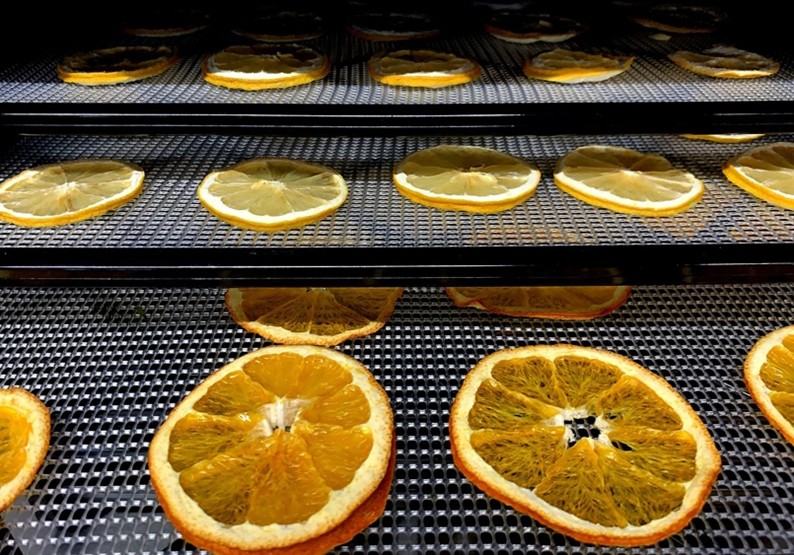
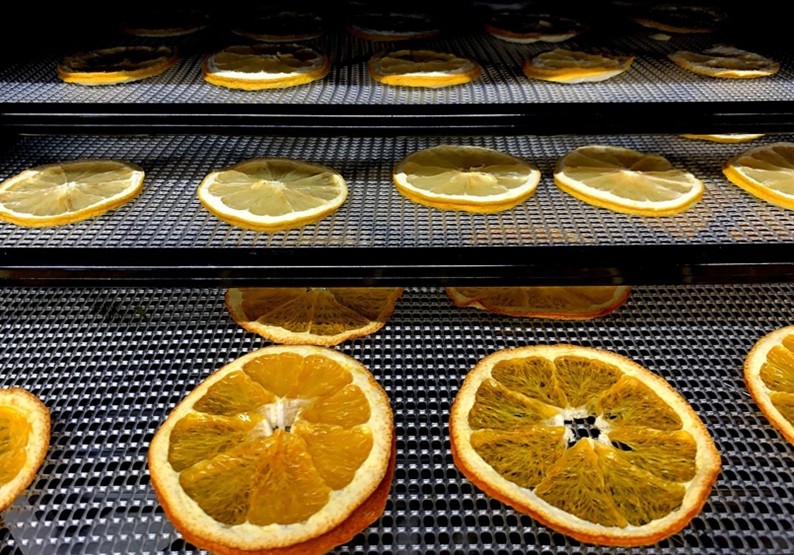
Electric Dehydrator
An electric dehydrator can make dehydrating foods simple and easy, and is also considered one of the safest ways to dehydrate food. Follow the directions on the appliance to set the heat to the correct temperature for the food you intend to dry. Prep food accordingly, then place your food inside and wait for the dried version to be completed!
Horizontal Air Flow: The air flows from the fan on the back or the side of the dehydrator, which makes for an even heat dispersal and prevents flavor mixing. It does have a limit on the height of the food pieces.
Vertical Air Flow: The air flows from the base or the lid. The vertical air flow dehydrator may cost less, but there is always a risk of flavors mixing and uneven heat distribution.
Oven drying
Utilizing the oven you have at home can be one of the easiest methods to dehydrate foods without the purchase of extra materials or appliances. Preheat your oven at a low setting, between 100-170°F. Wash and slice the food you wish to dry into thin, even pieces and spread in a single layer on a baking sheet. Place food in the oven, propping the door open slightly to release moisture. Check back on the food frequently and be sure to rotate trays every hour.
Sun drying
Sun drying requires no extra equipment and very little maintenance. Best suited for herbs, find a window that receives direct sunlight for an extended time during the day. Hang herbs in the windowsill and wait as they dry and crisp up from the heat of the sun!