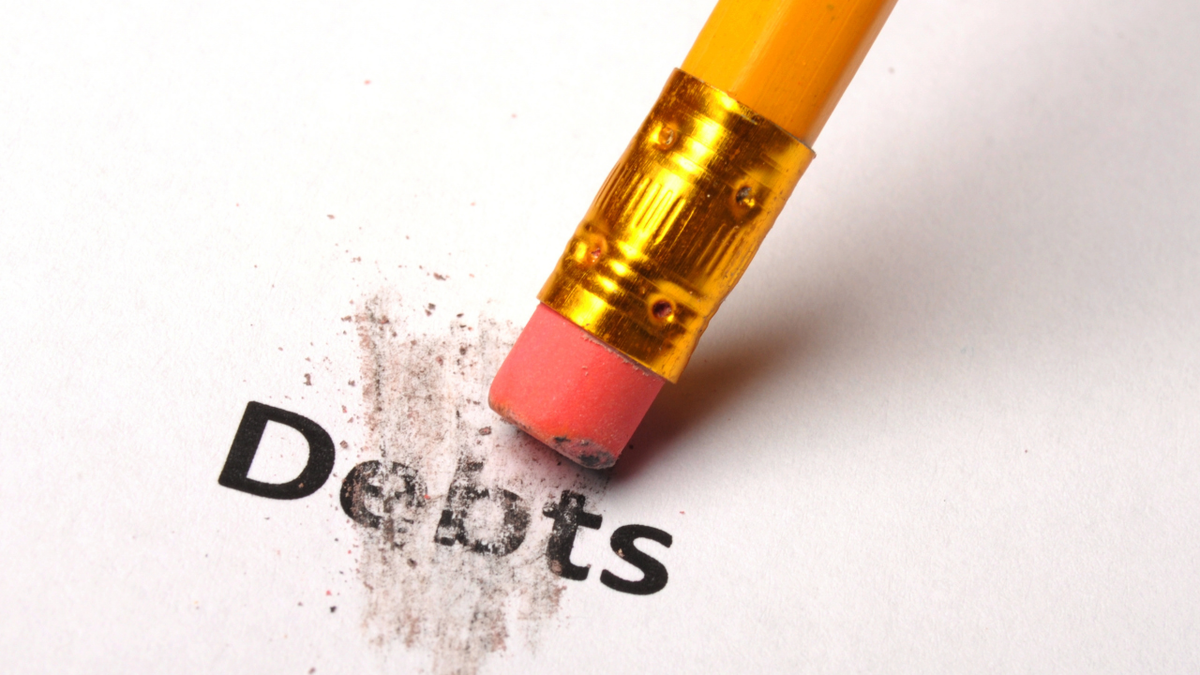
Credit is defined as using MONEY from others to PAY for items or services. There are 2 types of credit: good and negative.
Good Credit
- Making loan payments on time
- Repay your debts as promised
Negative Credit
- Late payments
- Paying less than the minimum amount or payment
- Having too much credit cards with large balances
- Having large amounts of available credit, even if you make payments on time
- Overdue accounts that have been sent to a collection agency.
- Declaring bankruptcy
- Having court-ordered withdrawals from your paycheck to pay debts
- Garnishments
Adequate credit history
- 2 years of history
- 4 open trade lines
- Each trade line should show 12 months reviewed and reported current
Alternate or non-traditional credit
- Rent
- Utilities
- Insurance
- Cable
- Cell phone
Credit Cards - Fixed vs. Variable
- A fixed interest rate generally remains the same, but can change under certain circumstances.
- If you are more than 60 days late on your credit card payment
- You had a promotional rate that has ended
- You’ve just completed a debt management program
If your credit card issuer raises your interest rate, they must give you a 45-day advance notice before the increase becomes effective. You're allowed to opt-out of the interest rate increase and repay your balance at the old interest rate.
- Variable interest rate will go up and down as the underlying rate goes up and down. Credit card issuers don’t have to send you an advance notice when your variable interest rate goes up because the underlying rate has gone up, so you won’t know if your interest rate has changed unless you pay attention to your credit card billing statement. If your credit card issuer increases the margin portion of your variable interest rate, the fixed interest rate increase rules apply. Your card issuer will be required to notify you in advance of the chance, giving you the chance to opt-out.
- Finance charges
- Only use credit when it’s necessary and not for social use