Join us on June 13th from 9 a.m. to 12 p.m. in the Demonstration Garden at N.C. Cooperative Extension, Guilford County Center (3309 Burlington Rd., Greensboro 27405) for a day full of fun and learning for the whole family!
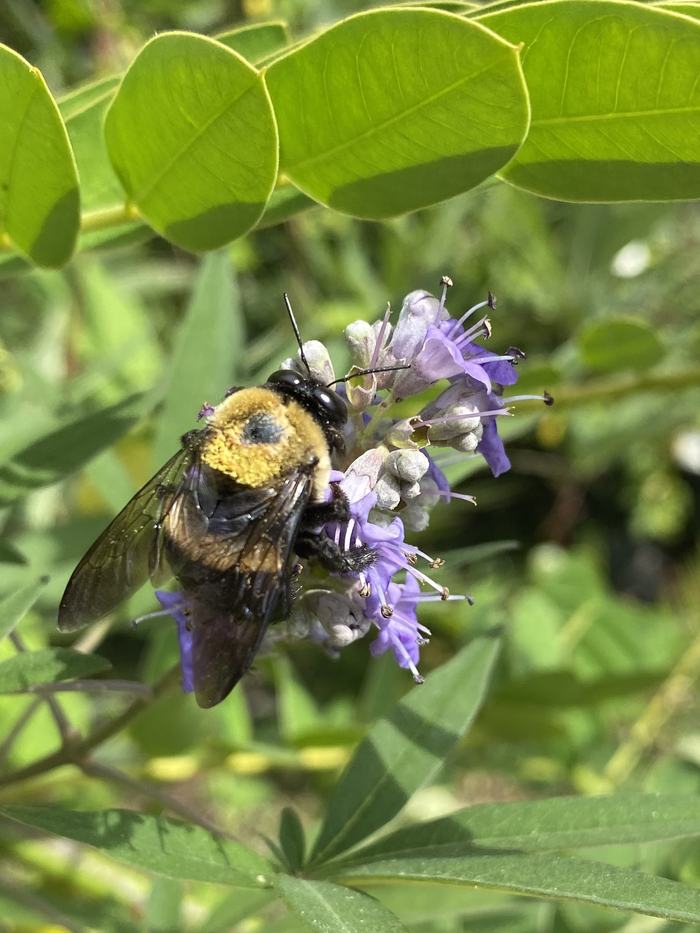
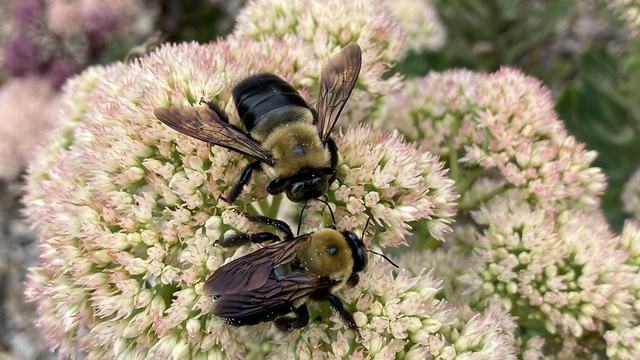
Pollinators are important contributors to our gardens, and this event will celebrate and raise awareness about their vital role. This year's event will emphasize native bees. Throughout the garden, you will find posters featuring different native bees paired with specific types of gardens where they may be found or supported. Along with native bees, learn about the great native pollinator plant, Echinacea purpurea (Purple Coneflower). (Want to start learning more about pollinators now? Keep reading below!) Explore a variety of informative table displays, create your own bee hotel, and pick up a goody bag and a free plant (while supplies last). Don’t forget to snap a photo with Polly Nater and grab a bag of popcorn to enjoy as you wander through the garden.
Start spreading the word, and let’s create some buzz about this year’s celebration!
For more information, call the Guilford County
Cooperative Extension office at 336-641-2400.
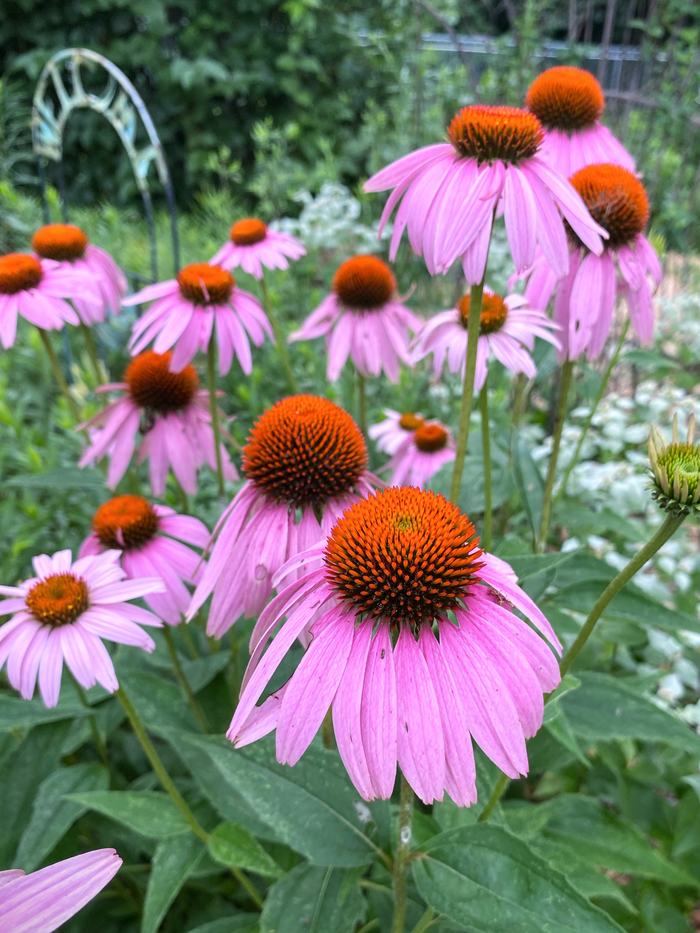
Echinacea purpurea (Purple Coneflower)
Pollinators are an essential component of North Carolina’s ecosystem, playing a critical role in the production of crops and the maintenance of natural habitats. The state is home to an extensive array of pollinators, including bees, butterflies, beetles, and birds, each of which fulfills a unique niche within the ecosystem. Given the vital role of pollinators, it is crucial to understand their behavior and habitat requirements to ensure their protection and preservation.
Bees, in particular, are the most important pollinators in North Carolina. According to the USDA, North Carolina ranks ninth in the nation for honey production, a reflection of the significant role that bees play in the state’s agricultural industry. Bee populations have been under threat in recent years, however, due to habitat loss, pesticides, and diseases. It is essential to implement policies that protect bee populations, such as the establishment of natural habitats, the use of less harmful pesticides, and the promotion of sustainable farming practices.
Butterflies are another crucial pollinator in North Carolina, particularly for native plants. The Monarch butterfly, in particular, is of significant concern. In recent years, Monarch populations have decreased significantly, resulting in an increased risk of extinction. The primary cause of this decline is habitat loss, with the destruction of milkweed, the sole food source for Monarch caterpillars, being a significant factor. Efforts to establish habitat restoration initiatives and the planting of milkweed can help to combat this issue.
Birds, such as hummingbirds, are also important pollinators in North Carolina. They are essential in pollinating many of the state’s native plants, such as cardinal flowers and bee balms. As with other pollinators, the preservation of their habitats is crucial for their continued survival. It is essential to promote policies that protect natural habitats, reduce deforestation, and prevent the creation of monoculture landscapes.
Pollinators play an integral role in North Carolina’s ecosystem, and their protection and preservation are critical. Bees, butterflies, and birds all fulfill unique roles in the pollination process, and their habitat requirements must be considered when developing policies and initiatives. The establishment of natural habitats, the promotion of sustainable farming practices, and the use of less harmful pesticides are all essential measures in preserving North Carolina’s pollinators.